
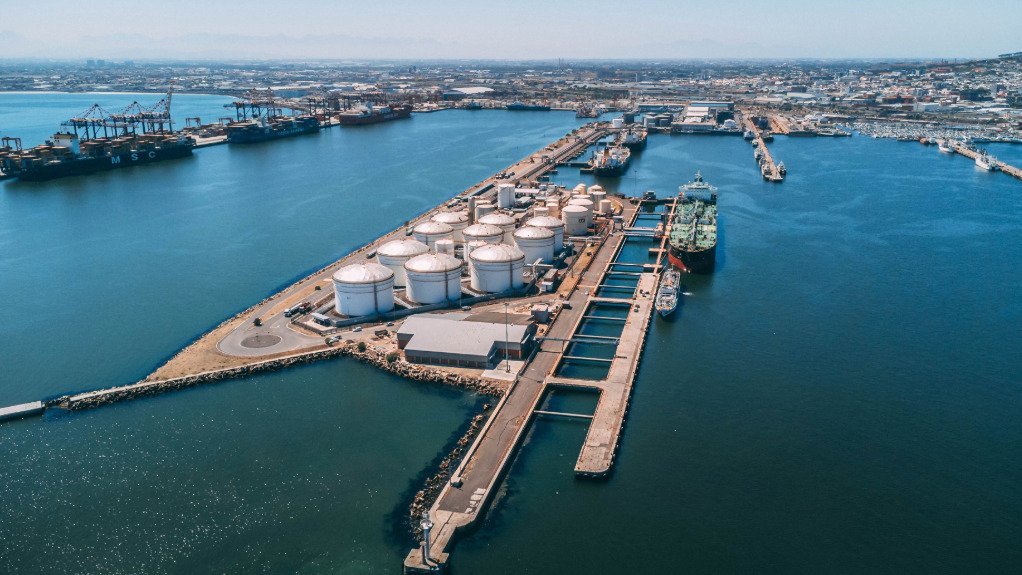
South Africa is taking another important step toward expanding its maritime infrastructure with the proposed Cape Town floating dry dock at the Port of Cape Town. The project, led by Transnet National Ports Authority (TNPA), is designed to increase ship repair capacity and strengthen Cape Town’s position as a major maritime services centre along the Cape Sea Route.
TNPA has invited private-sector investors and experienced operators to develop the Cape Town floating dry dock through a 25-year concession. The successful partner will be responsible for designing, financing, constructing, operating and maintaining the facility before its eventual decommissioning.
For Africa’s shipping and logistics industry, the project is significant. Greater access to ship repair facilities can support vessel maintenance, reduce operational disruptions and contribute to a more competitive maritime supply chain.
Cape Town Floating Dry Dock to Address Growing Ship Repair Demand
The proposed Cape Town floating dry dock comes as demand for ship repair and maintenance services continues to grow around southern Africa.
International vessels require regular inspections, maintenance, structural repairs and machinery servicing. When suitable facilities are unavailable, vessels may need to travel to alternative ports, potentially increasing costs and extending their time away from normal commercial operations.
The additional capacity created by the Cape Town floating dry dock is intended to give shipping companies greater access to repair and maintenance services at the Port of Cape Town.
TNPA expects the facility to improve Cape Town’s competitiveness as an international ship repair destination while helping the port respond to the needs of vessels operating along regional and international shipping routes.
For logistics companies, developments affecting port capacity can have wider consequences. Efficient vessel maintenance can contribute to more predictable shipping operations, while stronger maritime infrastructure can support the movement of imports and exports across regional trade corridors.
Private Investment Behind the Cape Town Floating Dry Dock
TNPA is pursuing the project through a long-term public-private partnership model rather than financing and operating the entire facility directly.
Under the proposed 25-year concession, the selected private-sector partner will be expected to manage the complete development and operational lifecycle of the Cape Town floating dry dock.
The responsibilities are expected to include:
- Designing and engineering the facility
- Securing project financing
- Constructing and installing the floating dry dock
- Operating the facility
- Maintaining the infrastructure and equipment
- Meeting applicable safety and environmental requirements
- Decommissioning the facility at the end of the concession
The model reflects the growing importance of private investment in African transport and maritime infrastructure. Port authorities increasingly seek partnerships that can bring capital, specialised expertise and modern operational practices into major infrastructure projects.
The Cape Town floating dry dock is also part of TNPA’s wider Ship Repair and Marine Manufacturing Strategy, which seeks to strengthen South Africa’s capabilities in ship repair, marine engineering and related industrial activities.
What the Cape Town Floating Dry Dock Could Handle
Once operational, the Cape Town floating dry dock is expected to support a broad range of vessel repair and maintenance requirements.
These activities could include:
- Hull inspection and maintenance
- Machinery and equipment overhauls
- Structural steel repairs
- Vessel maintenance
- Marine engineering services
- Specialised repair work
Dry-docking is an essential part of the shipping industry’s maintenance cycle. Vessels need access to specialised facilities where underwater hulls, propulsion systems and other components can be inspected and repaired.
By increasing dry-docking availability, the Cape Town floating dry dock could enable Cape Town to accommodate more vessels requiring scheduled or specialised maintenance.
The project could also create opportunities for businesses providing engineering, fabrication, equipment supply, transportation, warehousing and other supporting services.
Economic Opportunities for South Africa’s Maritime Industry
The potential impact of the Cape Town floating dry dock extends beyond ship repair.
TNPA expects the project to contribute to employment creation, skills development and increased participation by local businesses throughout the marine engineering and ship repair value chain.
A large-scale ship repair facility requires a wide range of professionals, including engineers, marine technicians, welders, electricians, fabricators and other specialised workers.
Local suppliers and contractors could also benefit from increased demand for equipment, materials, technical services and supporting logistics.
Over the longer term, the Cape Town floating dry dock could contribute to the development of South Africa’s marine engineering ecosystem by supporting specialised skills and encouraging greater participation in the maritime industrial sector.
This is particularly important as African countries seek to capture more economic value from their maritime industries.
Why the Cape Town Floating Dry Dock Matters for African Logistics
The development of the Cape Town floating dry dock is also relevant to the wider African logistics industry.
The Cape Sea Route is an important maritime corridor connecting vessels operating between Africa and international markets. Ports capable of providing reliable repair and maintenance services can become more attractive to shipping operators using these routes.
Additional ship repair capacity could contribute to:
- More efficient vessel maintenance planning
- Greater availability of dry-docking facilities
- Reduced delays caused by limited repair capacity
- Increased maritime service capacity
- Greater utilisation of port infrastructure
- New opportunities for marine engineering companies
- Stronger regional maritime supply chains
For freight forwarding companies and businesses involved in international trade, developments such as the Cape Town floating dry dock are worth monitoring. The project should also be viewed within the broader development of South Africa’s maritime transport sector.
Changes in port infrastructure can influence shipping networks, vessel schedules, cargo movements and the overall efficiency of supply chains connecting African markets with the rest of the world.
Cape Town Aims to Strengthen Its Maritime Services Position
Cape Town already plays an established role in South Africa’s maritime economy. However, additional ship repair capacity could help the port compete more effectively for regional and international repair business.
The Cape Town floating dry dock should therefore be viewed as more than a single infrastructure asset. It forms part of a wider strategy to develop Cape Town as a comprehensive maritime services hub.
If successfully implemented, the project could provide shipping companies with another option for maintaining and repairing vessels operating along the Cape route.
The proposed facility is also expected to incorporate modern technologies and infrastructure. TNPA has indicated that the project should consider energy efficiency, climate resilience and advanced safety requirements.
These features are increasingly important as ports and maritime operators adapt to changing environmental standards and the evolving requirements of the global shipping industry.
Key Dates for the Cape Town Floating Dry Dock Tender
Companies interested in participating in the Cape Town floating dry dock project should pay attention to the tender timetable announced by TNPA.
A non-compulsory briefing session is scheduled for 3 September 2026, providing prospective bidders with an opportunity to obtain additional information about the concession.
Proposals are expected to be submitted by 14 December 2026.
Tender documentation is available through the National Treasury eTender Portal and the Transnet National Ports Authority tender platform.
Potential investors and operators should consult the official tender documentation for the complete eligibility, technical, financial and contractual requirements.
What the Cape Town Floating Dry Dock Could Mean for Shipping
The ultimate impact of the project will depend on successful investment, construction and operation. Nevertheless, the proposed facility could address an important capacity requirement within Cape Town’s ship repair industry.
The Cape Town floating dry dock could provide additional infrastructure for vessels requiring significant maintenance and repair while creating opportunities for companies operating across the maritime supply chain.
For shipping companies, increased repair availability can make a port more attractive. For South African businesses, the project could generate employment, supplier and investment opportunities.
For the wider African logistics industry, stronger maritime infrastructure can contribute to more resilient and competitive international trade networks.
Final Thoughts on the Cape Town Floating Dry Dock
The proposed Cape Town floating dry dock represents a potentially important development for South Africa’s maritime infrastructure and the wider African shipping sector.
TNPA’s decision to invite private-sector participation through a 25-year concession highlights the growing role of investment partnerships in developing major port infrastructure.
If successfully delivered, the Cape Town floating dry dock could expand ship repair capacity, support marine engineering, create new commercial opportunities and strengthen Cape Town’s position along the Cape Sea Route.
For shipping lines, freight forwarders, logistics companies and businesses involved in international trade, the project is an important development to watch.
As South Africa continues investing in maritime infrastructure, the Cape Town floating dry dock could help transform Cape Town into an even stronger maritime services destination for vessels operating across African and international trade routes.
GAL: Supporting Africa’s International Logistics
At Global Africa Logistics (GAL), we understand that successful international trade depends on efficient coordination between ports, shipping networks, customs authorities, transport providers and businesses. Our freight forwarding services in Cameroon help businesses coordinate international cargo movements and related logistics requirements.
GAL provides freight forwarding services in Cameroon, supporting businesses with cargo transportation, customs clearance, import and export logistics and related supply-chain solutions.
Whether your cargo is moving through Douala Port, Kribi Port or international trade routes connecting Cameroon with global markets, GAL can help coordinate the logistics process and provide practical solutions for moving cargo efficiently.
From international freight forwarding to customs clearance in Cameroon and inland transportation, our goal is simple: helping businesses move cargo across Africa and international markets with greater confidence.
Your Cargo, Our Commitment.
